
Tyresta Nationalpark is one of Stockholm’s best natural escapes. The granite terrain, dense forest, and remote feeling make it a serious adventure destination. But the same qualities that make it beautiful also make it genuinely dangerous in winter. Here is how to ride it safely.
Quick Facts
- Location: Tyresta Nationalpark, south of Stockholm
- Rider Sentiment: Adventure-focused, essential for winter preparedness
- Primary Use Case: Gravel and mountain bike exploration in remote conditions

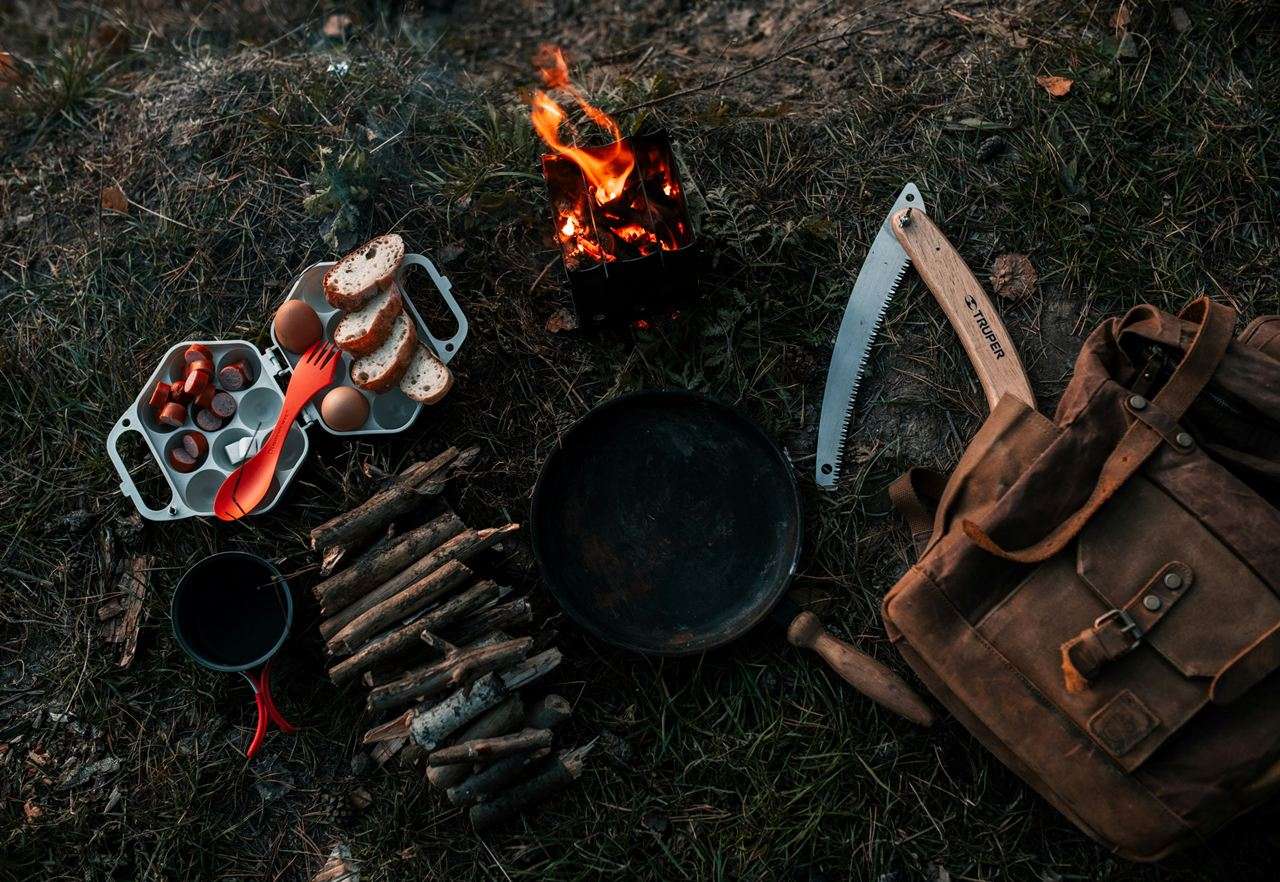
For exploring Tyresta Nationalpark’s rugged granite terrain and icy conditions, carrying a basic wilderness survival kit is a smart precaution. The ten essentials to pack are a blade, a small knife at minimum, an emergency shelter like a bivvy tube or emergency blanket, waterproof fire-starting tools such as survival matches and a ferro rod with tinder, paracord for multiple uses, a water container with filtration or purification tablets, since you can only survive three days without water, a headlamp for Tyresta’s long dark hours, a whistle for signaling, a basic first aid kit, and a waterproof bag to keep it all dry and accessible.
Built around the rule of threes, three hours without warmth, three days without water, three weeks without food, this compact kit can fit in a small bag and give you genuine peace of mind when venturing deep into Tyresta’s beautiful but unforgiving wilderness.
Tyresta Nationalpark’s granite terrain demands proper preparation, especially in winter.
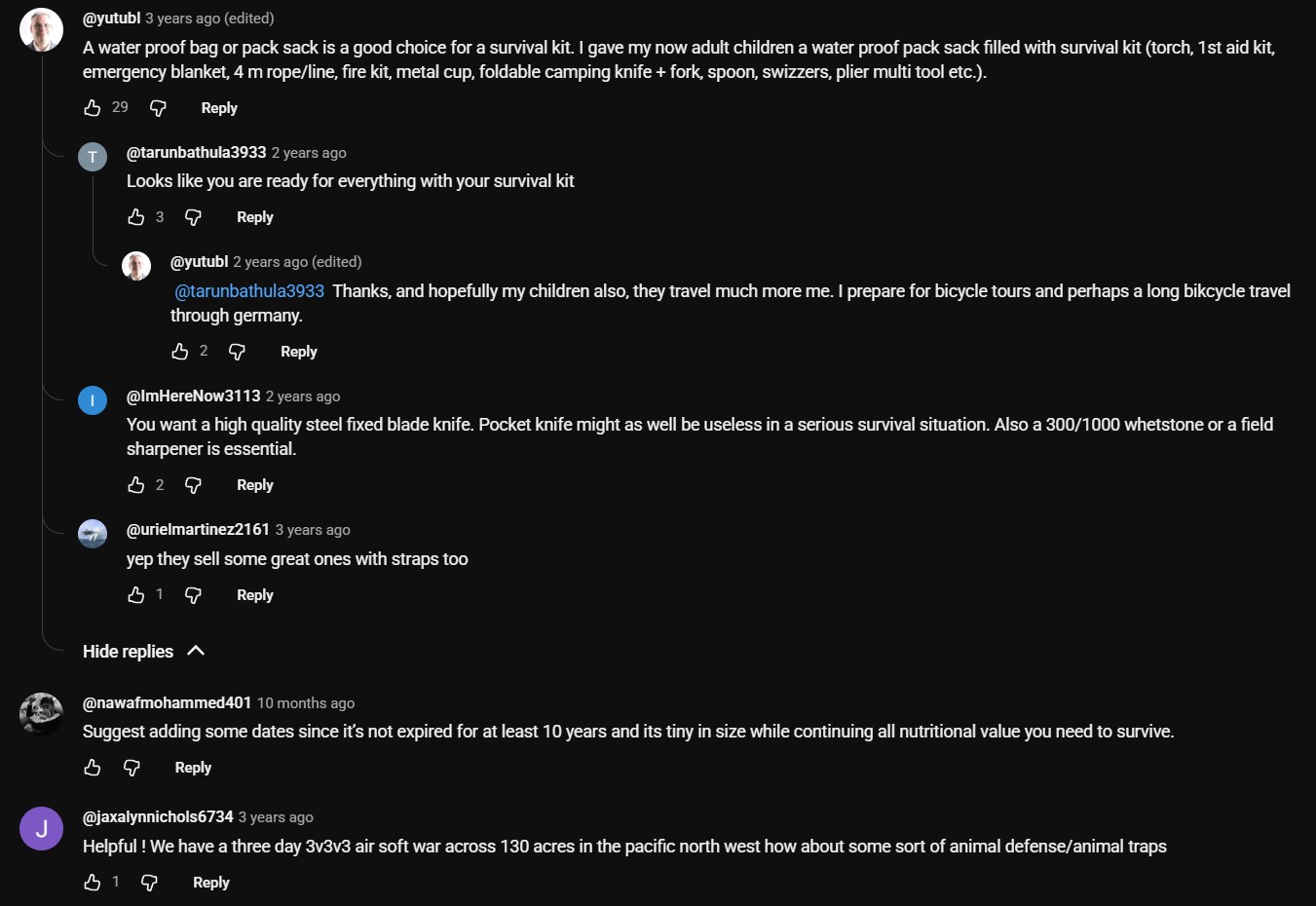 What the community says about riding and surviving Tyresta in cold conditions.
1. The Ten Essentials Framework
The ten essentials are a classic wilderness survival checklist adapted for cycling access. In Tyresta, where trail markers can be sparse and weather changes fast, each item serves a purpose. A knife, emergency shelter, fire-starting tools, paracord, water treatment, headlamp, whistle, first aid kit, and waterproof bag are not paranoid preparation. They are the baseline for responsible backcountry riding.
2. The Rule of Threes
Everything in survival preparation comes back to the rule of threes: three hours without warmth, three days without water, three weeks without food. This framework helps you prioritize. Your shelter system and clothing keep you warm within that three-hour window. Your water treatment method keeps you hydrated beyond three days. Your food supply extends beyond three weeks. Everything else supports these priorities.
3. Cycling-Specific Considerations
When you are on a bike, you cannot carry everything a hiker can. Prioritize lightweight versions of the essentials. A折叠 survival blanket replaces a full bivvy. A small ferro rod and tinder fit in a handlebar bag. Your phone is not reliable for navigation in Tyresta’s limited signal areas. A headlamp and whistle weigh almost nothing and could save your life.
4. Planning for Stockholm’s Winter Conditions
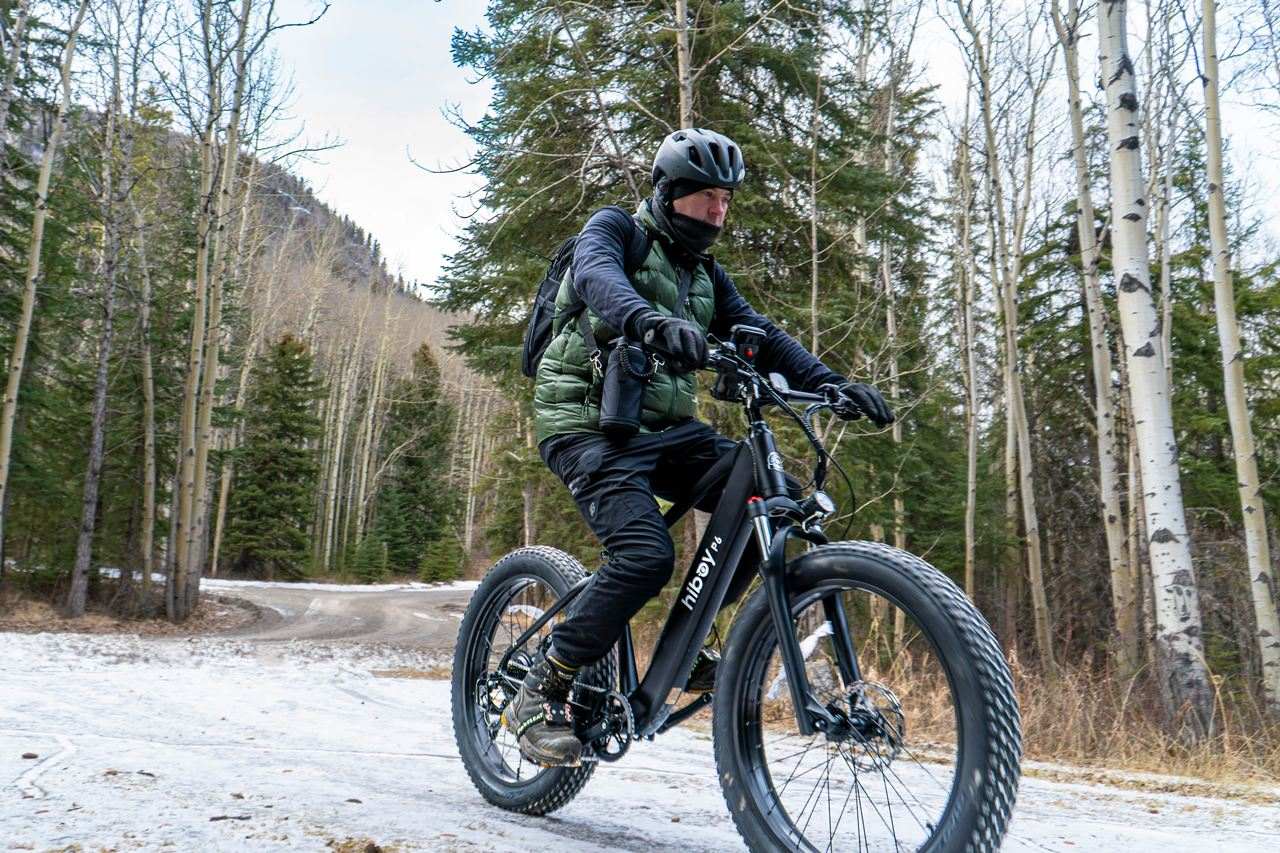
In winter, Tyresta’s trails freeze over with ice that makes granite surfaces extremely slippery. Check the forecast before you go, tell someone your planned route, and start early so you have daylight to finish. The reward is one of the most beautiful and quiet natural areas within riding distance of Stockholm.
📱 Source: YouTube — Tyresta Nationalpark survival guide