
Stockholm’s winter cycling season is no joke. Temperatures hover around freezing, rain is constant, and daylight is scarce. Getting your gear right is the difference between dreading your commute and actually enjoying it. Here is what actually works.
Quick Facts
- Gear Type: Winter cycling clothing and accessories
- Rider Sentiment: Practical, community-tested recommendations
- Primary Use Case: Cold-weather commuting in Stockholm conditions

For cycling through Stockholm’s dark, cold winters, layering is everything. Start with a moisture-wicking synthetic base layer, thicker for near-zero temperatures, lighter as it warms toward 12 degrees Celsius. Pair it with a windproof and water-resistant jacket suited to the conditions, a heavy insulated jacket for the coldest days, a Gore Windstopper-style soft shell for milder wet rides. Add medium-gauge bib tights with windproof panels to keep your legs warm without overheating.
Do not neglect the extremities: insulated neoprene overshoes, well-insulated gloves, a thermal skull cap to cover your ears, and a buff for your neck are all essential in Stockholm’s damp, low-light winters. Since daylight is scarce, prioritize highly reflective or brightly colored kit to stay visible on those dark morning and evening rides.
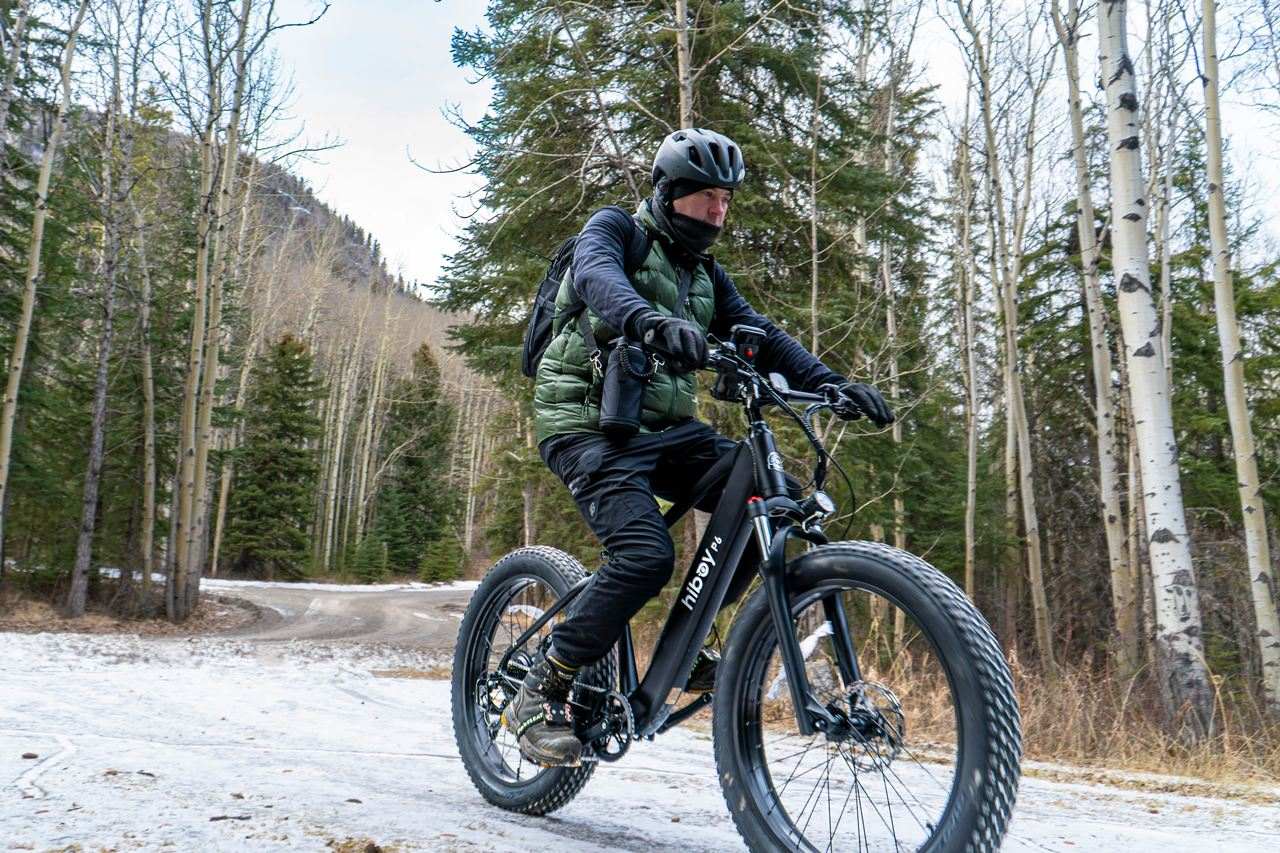
Stockholm winter cycling requires the right layering system to stay warm and dry.
 Community feedback on winter cycling gear from the Stockholm riding community.
1. The Base Layer Foundation
Your base layer is the most important piece. Synthetic or merino wool that moves moisture away from your skin is essential. Cotton is the enemy here: once it gets wet, it stays cold and loses insulation rapidly. For temperatures below zero, go thicker. When it hovers around 10 to 12 degrees, a lighter option works better.
2. The Jacket Decision
On the coldest days, a heavily insulated jacket with a membrane is worth the investment. For milder wet rides, a soft shell like a Gore Windstopper does a better job of breathability while still blocking wind and light rain. Stockholm cyclists often carry a lightweight packable rain jacket as backup for unexpected downpours.
3. Leg and Extremity Protection
Bib tights with windproof panels at the front make a huge difference when temperatures drop. Neoprene overshoes keep your feet dry on wet roads. Your hands and head are where most riders struggle: insulated gloves with dexterity for shifting and braking, plus a thermal skull cap under your helmet, round out the essentials.
4. Visibility in the Dark
With only a few hours of daylight in deepest winter, reflective and bright-colored kit is not optional. Prioritize a reflective vest, ankle bands, and spoke reflectors. The goal is to be visible from every angle, in conditions where drivers have reduced reaction time.
📱 Source: YouTube — Stockholm winter cycling gear guide