
Stockholm might not have the Alps, but its trail network offers a mix of granite slabs, rooty forest paths, and sandy loam that tests your suspension setup in its own way. Getting your fork and shock tuned for local conditions makes a real difference to how confident and comfortable you feel out there.
Quick Facts
- Bike Type: Mountain bike with adjustable fork and rear shock
- Rider Sentiment: Practical guidance for all MTB riders
- Primary Use Case: Trail tuning for Stockholm’s granite and forest terrain

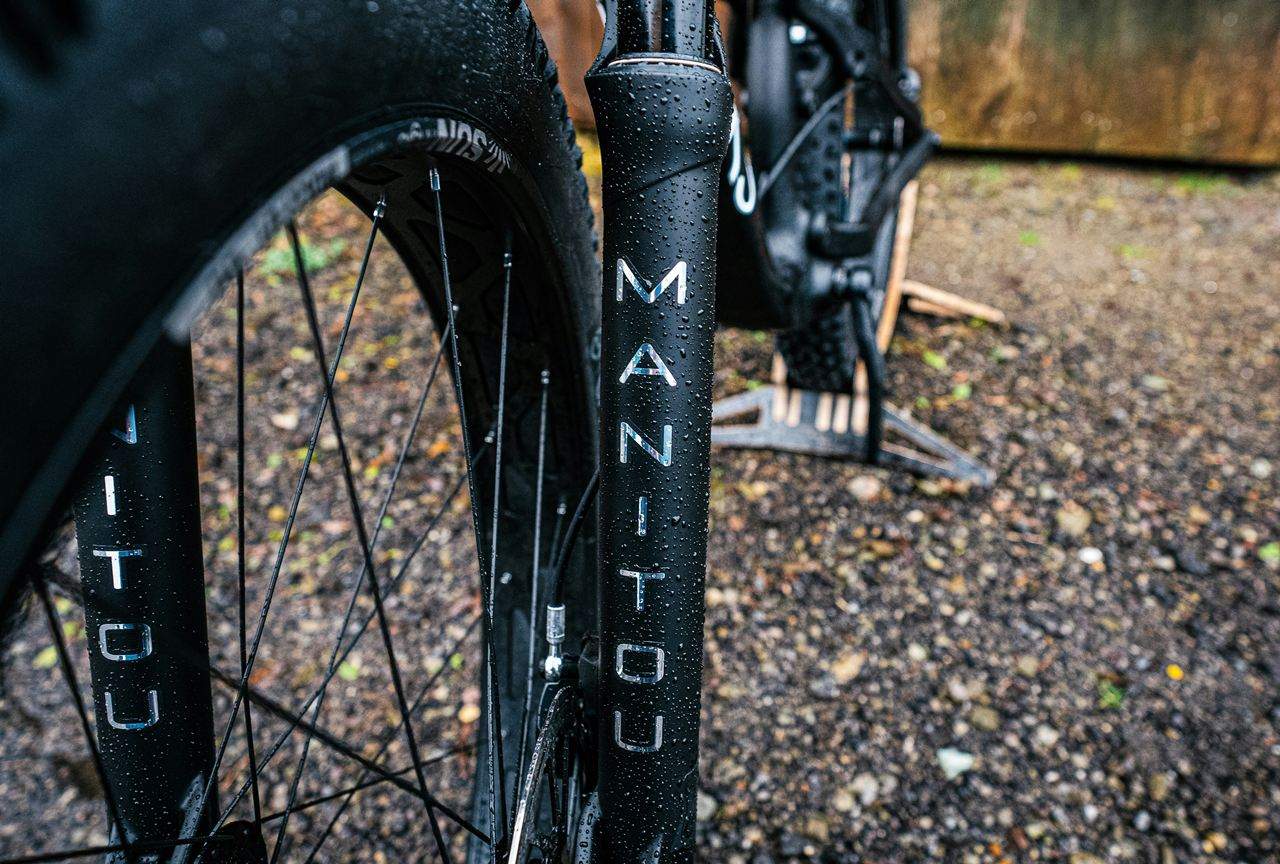
To get the most out of your mountain bike’s suspension on Stockholm’s trails, begin by setting your sag, how deeply the bike sits into its travel under your weight, to around 20 to 30 percent for the fork and 25 to 30 percent for the rear shock, using an O-ring to measure movement. Once sag feels right, adjust compression damping, how easily the suspension compresses, and rebound damping, how quickly it returns, using the dials on your fork and shock, keeping in mind that heavier riders may need more rebound damping while lighter riders may prefer less.
Finally, take the bike out for several runs on your favorite local trail, making small adjustments of one or two clicks at a time until the setup feels balanced and confidence-inspiring for Stockholm’s specific mix of terrain.
Setting sag correctly is the foundation of a good suspension setup.
 Community feedback on suspension tuning approaches.
1. Setting Sag the Right Way
Sag is how much the suspension compresses just from you sitting on the bike in riding position. Use an O-ring on your stanchion to measure. For the fork, target 20 to 30 percent of total travel. For the rear shock, aim for 25 to 30 percent. This baseline gives you a starting point that works for most trail riding situations.
2. Understanding Compression and Rebound Damping
Compression damping controls how hard the suspension resists movement on impact. More compression means a firmer feel, better for pedaling efficiency. Rebound damping controls how fast the suspension extends after a compression. Too fast and the wheel bounces off the trail. Too slow and the suspension stays compressed and loses traction.
3. Tuning for Stockholm’s Terrain
Stockholm trails often feature hard granite landings and loose surface grit. For this mix, a slightly firmer compression setting helps with pedaling efficiency on flat sections, while keeping rebound on the faster side maintains grip over successive hits. Start with the manufacturer’s recommended settings and go from there.
4. The Testing Loop
No amount of dial-spinning replaces actual trail time. After every small adjustment, do a full lap on your regular trail. Pay attention to how the bike feels on the descents, through braking bumps, and on the climbs. When it starts feeling predictable and confidence-inspiring, you are close.
📱 Source: YouTube — Suspension setup tutorial